Home Sellers
What should I fix before I list my Cape Coral pool home?
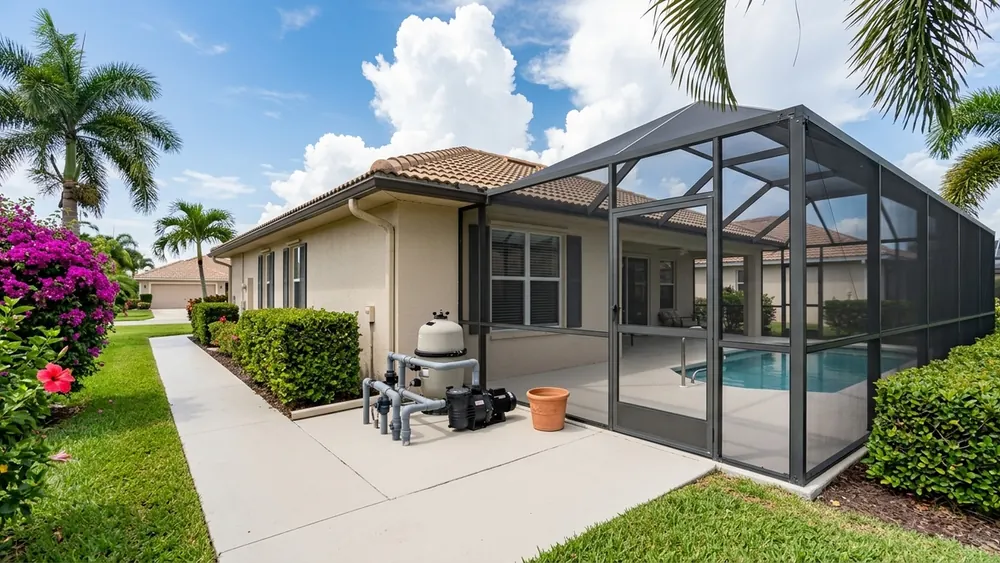
Fix what a licensed home inspector and a buyer’s insurance agent are likely to flag first: the pool, enclosure, equipment, roof, and major systems. Gather records for the rest, and think twice about cosmetic projects buyers may not value.
On this page
Fix function first, then think about looks
Before you list a Cape Coral pool home, fix the things a licensed home inspector and a buyer’s insurance agent are most likely to raise: the pool and its equipment, the screen enclosure, the roof, and the major systems. Get records together for everything else. Cosmetic projects come last, and only when they clearly change how a buyer sees the house. The order is the point: working condition and paperwork before paint and decor.
Why that order? Buyers looking at pool homes tend to ask early about condition and insurance, because both affect what owning the house will really cost them. A pump that hums loudly, a torn screen panel, or a missing record can turn a good showing into a list of worries. Clearing up functional issues before the listing goes live lets buyers focus on the house rather than on what might be wrong with it.
This is not about making the home perfect. Every house has wear, and buyers expect some. The goal is to remove the surprises that slow a sale or invite a buyer to price in more than a repair is worth. Having built and remodeled homes, Julie tends to look at a pool home the way an inspector might, starting with what works, what is worn, and what is close to needing attention.
Start with the pool and its equipment
The pool itself is usually the first thing a buyer of a pool home studies. Look at the surface for cracks, stains, or rough patches, check that the water is clear and balanced, and walk the deck for loose pavers or uneven edges. If the pool has a heater, lights, or an automatic cleaner, make sure each one works. Anything that does not work as a listing describes it becomes a question at inspection.
Then look at the equipment pad. Pumps, filters, heaters, and timers all age, and a buyer’s inspector will note the condition of each. If something is leaking, noisy, or has stopped working, decide whether to repair it, replace it, or disclose it and adjust your expectations. A pool professional can tell you which option makes sense for your equipment. Keep any service records, because a documented maintenance history answers questions before they are asked.
Pool features can also matter to a buyer’s insurance agent. You do not need to know how coverage works, and you should not guess on a buyer’s behalf. What helps is having clear information about the pool, any barriers or alarms, and the enclosure, so a buyer can share it with their own licensed insurance agent. Questions about pool barrier or permit requirements belong with the City of Cape Coral, not with a rule of thumb.
Give the screen enclosure its own walkthrough
Many Cape Coral pool homes have a screen enclosure, and buyers notice it right away. Walk the enclosure slowly. Look for torn or loose screen panels, bent or corroded frame pieces, missing fasteners, and doors that do not close cleanly. Rescreening a few panels is often one of the simpler items on the list, and a tight, clean enclosure changes how the whole backyard reads in photos and in person.
Structural questions are different. If the frame shows rust, sagging, or damage, or if you do not know how old the enclosure is, have it looked at by a qualified professional before you list. A licensed home inspector can tell you what they see, and the City of Cape Coral holds permit records for past enclosure work. Knowing where the enclosure stands lets you decide whether to repair it now or price and disclose with the facts in hand.
The lanai and deck under the enclosure matter as well. Clean the surface, fix lifted pavers or cracked areas where you can, and make sure outdoor lights and outlets work. Buyers picture themselves spending time out there, so the space should feel cared for and work the way it should. None of this needs to be elaborate. It just needs to look and work like part of a well-kept house, which is what buyers are hoping to find.
Beyond the pool, check the whole house
A pool home is still a house, and buyers and their insurance agents look closely at the parts that keep it dry, cool, and running. Before you list, take stock of the big items, write down their age and condition as well as you know, and decide which ones need repair, service, or simply a clear record. These are the items most worth a careful look before the listing goes live.
- The roof, including its age, visible wear, and any past repairs or replacement
- Air conditioning, with recent service records and a note on how it runs
- Plumbing and the water heater, checking for leaks, stains, or slow drains
- The electrical panel, outlets, and outdoor wiring around the pool and lanai
If you are not sure about one of these, a pre-listing inspection by a licensed home inspector can show you what a buyer’s inspector is likely to find. Some sellers find it useful, and some prefer to wait. Either way, the decision is yours, and knowing in advance gives you the choice of fixing, disclosing, or pricing with the issue in mind rather than reacting under a contract deadline.
Who to ask about each pre-listing question
Pre-listing work touches several kinds of professionals, and each answers a different question. Taking each one to the right source keeps you from relying on general advice that may not fit your house, and it keeps any single opinion from standing in for an official answer. Here is a simple way to sort the most common questions that come up when you prepare a Cape Coral pool home for sale.
| Question | Why it matters | Who to ask |
|---|---|---|
| Is the pool equipment working well | Buyers and inspectors check each component | A pool professional |
| What would an inspector flag | Lets you fix or disclose before listing | A licensed home inspector |
| Was past work permitted | Unpermitted work can raise buyer questions | The City of Cape Coral |
| Which details affect a buyer’s coverage | Insurance shapes what buyers will pay | A licensed insurance agent |
| What must I disclose | Disclosure rules can change over time | Official Florida sources or a real estate attorney |
Notice that guesswork and online rules of thumb are not on that list. Requirements and practices change, and the only answers that apply to your home come from the people and offices responsible for them. Write down who answered each question and when, and keep the paperwork with your listing records. Julie can help with the real estate side and with sorting which findings matter most to buyers.
Cosmetic projects that may not pay off
It is tempting to start with paint, new fixtures, or a kitchen refresh. Those can help, but they rarely answer the questions a buyer’s inspector and insurance agent ask. A freshly painted room does not offset an aging pump or a torn enclosure. When money and time are limited, put them toward working condition first, then toward the small touches that help a home show well, like cleaning, decluttering, and fresh screens.
Large renovations right before listing deserve extra thought. Buyers have their own taste, and a big project can add cost and delay without changing what they will pay. If you are weighing a major update, talk it through before you start: what buyers are likely to notice, what comparable homes offer, and whether a clear disclosure and an honest price might serve you just as well. No project guarantees a result, so decide with evidence rather than hope.
What to gather before listing your pool home
Before you talk about listing, put together a simple folder. It turns your house’s history into answers a buyer can read, and it makes the insurance and inspection steps smoother for everyone involved. You do not need every item to start. A partial folder still helps, and missing records can often be tracked down with a little digging through old email, receipts, or the city’s permit records.
- Pool and equipment service records, receipts, and any warranties still in effect
- Screen enclosure history, including repairs and any permitted work you know about
- Roof, air conditioning, plumbing, and electrical records with approximate dates
- Past inspection reports and current insurance documents for the property
With that folder in hand, the question shifts from what might be wrong to what the house offers. If you are getting a Cape Coral pool home ready to sell, bring your list to Julie, a Florida real estate agent with Starlink Realty, Inc., and sort out together what to fix, what to document, and what to leave alone. No price or timeline is promised. What is the first item on your own list?
This article is general information about buying and selling property in Cape Coral and Lee County, Florida. It is not legal, tax, insurance, lending, valuation or inspection advice and does not predict prices or promise results. Confirm insurance with a licensed insurance agent, water routes, docks, seawalls and permits with the City of Cape Coral and a marine professional, condition with a licensed inspector, homestead and taxes with the Lee County Property Appraiser and Tax Collector, and financing with a lender. Julie Kubic, Starlink Realty, Inc.

Written by