Retiring Here
What changes if I only plan to live in Cape Coral part of the year?
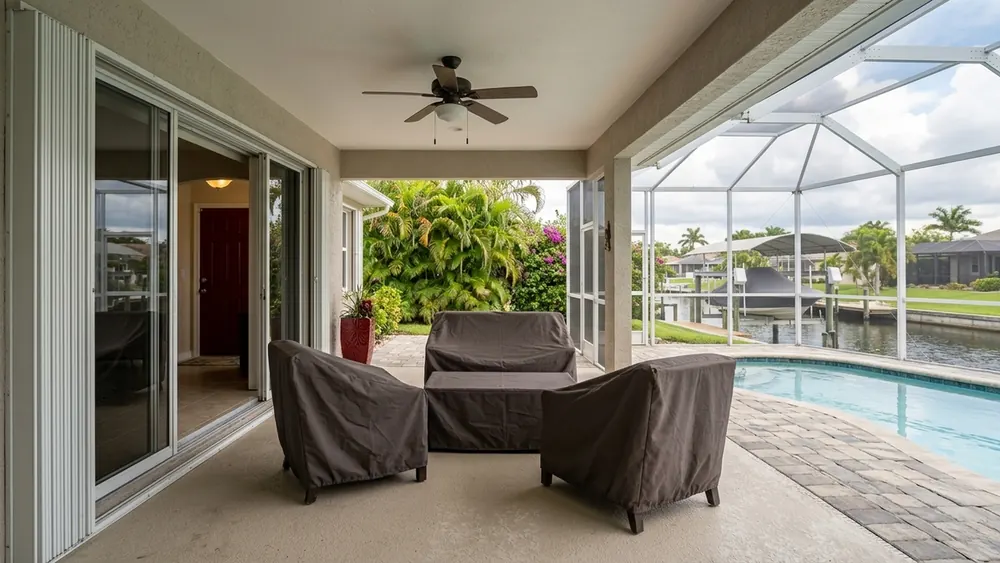
Living in Cape Coral part of the year changes how you plan upkeep while you’re away, what you ask a licensed insurance agent, and which homestead and tax questions you take to Lee County offices. It can also change which home fits.
On this page
- What seasonal living really changes
- Plan the months away before you buy
- Upkeep when nobody is home
- Insurance questions for a home that sits empty
- Homestead and tax questions to take to Lee County
- Who answers each seasonal question
- How part-time plans change the right home
- What to write down before you talk it through
What seasonal living really changes
If you only plan to live in Cape Coral part of the year, three things change the most: how the home gets looked after while you’re away, what you need to ask a licensed insurance agent, and which homestead and tax questions you take to official sources. It can also change which kind of home makes sense, because a house that sits empty for months needs a different plan than one you’re in every day.
The house doesn’t stop needing care when you head back up north. The air conditioning, the pool, the yard, the roof, and the plumbing all keep going, or keep wearing, whether you’re there or not. A small problem that you’d notice in a day when you’re home can grow for weeks when nobody is checking. That’s the heart of planning a seasonal home well.
None of this is a reason not to do it. Plenty of people split the year between Cape Coral and another state and make it work smoothly. The difference is that they plan for the months away before they buy, not after the first surprise. If you sort out the questions in order, the part-time plan becomes a routine instead of a worry.
Plan the months away before you buy
The most useful thing you can do is decide how the home will be cared for while you’re gone, before you choose the home. Who will check on it? How often? Who handles the pool and the yard? Who do you call if something goes wrong when you’re up north? Writing those answers down early tells you how much house you really want to look after from a distance.
Julie made the move from Minnesota to Cape Coral, so the questions that come with living between two places are familiar ones. The pattern is simple: the more systems a home has, the more there is to watch while you’re away. A pool, a large yard, a dock, and a detached structure each add something to the list. That’s not good or bad. It’s just part of the choice.
If you’ll be gone part of the year, plan who checks on the house before you pick the house. Everything else gets easier once that answer is settled.
Upkeep when nobody is home
Start with the systems that keep running. Air conditioning, humidity, and plumbing matter in a home that’s closed up, and it’s worth asking how the current owner has handled the months away, if they have. A licensed home inspector can look at the condition of each system, so you know what you’re working with before you buy, not after a long stretch away.
A pool needs regular care whether you’re in town or not, so a pool home usually means a pool service or a reliable person to look after it. The yard keeps growing too. Some seasonal owners choose a home with less yard or no pool to keep the list shorter, while others keep the pool and simply plan for the care. Either way, put a name next to each task.
Many seasonal owners arrange for someone to check the home on a regular schedule while they’re away, looking for leaks, power problems, pests, and anything that seems off. Whoever you choose, ask what they’ll check, how they’ll report back, and what they’ll do if they find a problem. Having that plan in writing is a lot calmer than hearing about an issue weeks after it started.
Insurance questions for a home that sits empty
Insurance can change what a Cape Coral home really costs, and part-time use adds its own questions. Talk with a licensed insurance agent before you settle on an offer, and tell them up front that the home will be empty for part of the year. Coverage depends on the specific property and on how it’s used, and it changes over time, so get input on the actual house.
Ask what coverage expects of an owner who’s away, whether regular checks matter, and what to do with the home before you leave each season, like securing outdoor items or closing shutters. Ask too how a pool, an enclosure, or a home on the water changes the picture. Write the answers down, because they’ll shape both your offer and your routine for leaving the home each year.
Homestead and tax questions to take to Lee County
Whether you live in Cape Coral full-time or part of the year can affect homestead and property tax questions. Those rules belong with official sources, not with a neighbor’s experience or something read online, because they depend on your situation and they change. The Lee County Property Appraiser and the Lee County Tax Collector are where to confirm them. Questions worth bringing include these.
- How full-time or part-time residence affects homestead questions for your situation
- What the Lee County Property Appraiser needs to know about how you use the home
- How property taxes are billed and paid when you’re away part of the year
- Which questions belong with a tax professional or a real estate attorney instead
Ask these early, ideally before you choose a home, because the answers can affect your budget and your plans. If your situation is involved, such as owning property in more than one state, a tax professional or a real estate attorney can help you with your own circumstances. Keep a note of who answered and when, since rules can change between your search and your closing.
Who answers each seasonal question
Part-time ownership spreads your questions across several people. Some are about the house, some are about coverage, and some are official rules. Keeping each question with the right source saves you from relying on general advice that may not fit your situation at all. Here’s a simple way to track who answers what before you commit to a seasonal home in Cape Coral.
| Question | Why it matters | Who to ask |
|---|---|---|
| How does part-time use affect coverage | An empty home raises its own questions | A licensed insurance agent |
| Do I qualify for homestead | It depends on how you use the home | The Lee County Property Appraiser |
| How do I pay taxes from away | Missed bills are easy when you’re gone | The Lee County Tax Collector |
| What condition are the home’s systems in | Problems grow when nobody is checking | A licensed home inspector |
| How does financing a second home work | Terms can depend on how you use it | Your lender |
Notice that general websites and secondhand stories aren’t on that list. The answers that apply to you come from the people and offices responsible for them. Bring the same questions back if your plans change, such as deciding later to live in Cape Coral full-time, because that shift can change several of these answers at once.
How part-time plans change the right home
Once you know how the home will be cared for, the right kind of home gets clearer. A condo can mean fewer outside tasks, though you’ll want the community’s rules in writing and any contract or legal questions taken to a real estate attorney. A single-family home gives you more space and more control, along with more to look after while you’re away. Neither choice is wrong. It’s about fit.
SE, SW, and NW Cape Coral are a handy way to read the map once you know what you want. Use them to sort homes by features: on the water or inland, pool or no pool, yard size, and home style. Your seasonal plan, not the map, should do most of the narrowing. The map simply shows you where the homes that fit your plan are.
What to write down before you talk it through
Before a first conversation, write down roughly how you plan to split the year, who you’d like to care for the home while you’re away, whether a pool or a home on the water is on your list, and the questions you’ve gathered for a licensed insurance agent and the Lee County offices. A rough picture is plenty. The details get easier once you’ve talked them through.
Julie is a Florida real estate agent with Starlink Realty, Inc. who lives in Cape Coral and can help you put the steps for a part-time move in order, from insurance input to the home itself. There’s no pressure, and you don’t need every answer first. What part of owning a home here for only part of the year feels least clear to you?
This article is general information about buying and selling property in Cape Coral and Lee County, Florida. It is not legal, tax, insurance, lending, valuation or inspection advice and does not predict prices or promise results. Confirm insurance with a licensed insurance agent, water routes, docks, seawalls and permits with the City of Cape Coral and a marine professional, condition with a licensed inspector, homestead and taxes with the Lee County Property Appraiser and Tax Collector, and financing with a lender. Julie Kubic, Starlink Realty, Inc.
Written by